Work With Others Without Losing Yourself: The Smart Artist's Guide to Collabs That Actually Hit
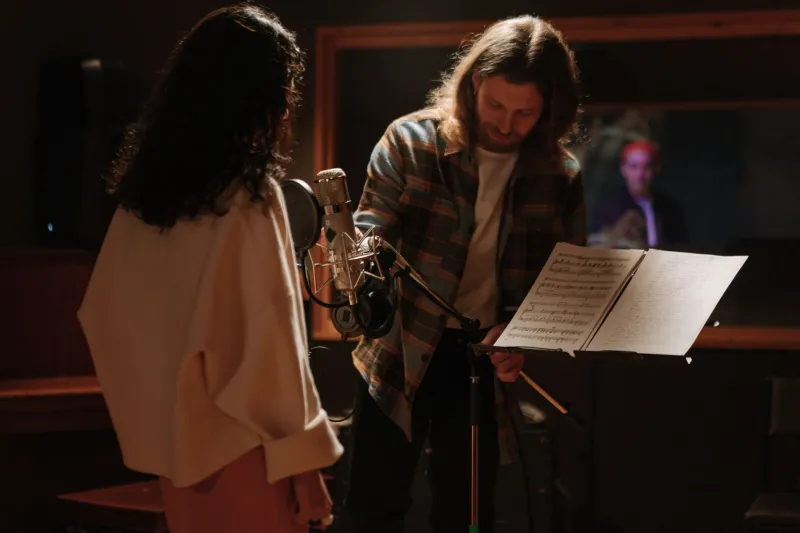
Let's be real — some of the greatest music moments in history came from two artists colliding in the studio and creating something neither one could've made alone. Think Kendrick and Drake in their early collaborative energy, Jay-Z and Kanye cooking up Watch the Throne, or even the way SZA and Doja Cat turned a simple feature into a cultural moment. Collaboration is one of the most powerful tools in any artist's kit.
But here's the flip side nobody talks about enough: a bad collab can muddy your brand, confuse your fanbase, and in some cases, cost you real money. Saying yes to the wrong partnership — whether it's a feature, a joint EP, or a co-written record — can set you back further than going solo ever would.
So how do you do it right? How do you expand your reach, tap into new audiences, and create something genuinely fire without compromising the thing that makes you you? Let's break it down.
Know Your Sound Before You Bring Anyone Else In
Before you start sliding into DMs or saying yes to every studio invite, you need to be crystal clear on your own identity. What do you sound like? What do you stand for? What's the feeling your music gives people when it comes on?
If you can't answer those questions with confidence, a collab isn't going to help you — it's going to blur the picture even more. The artists who navigate collaborations best are the ones who have such a strong sense of self that they can bend creatively without breaking. They can step into someone else's world for a record and still sound like themselves when it's done.
Spend time with your catalog. Figure out what threads run through your best work. That self-knowledge is your anchor when you're in a room with another creative pulling you in a different direction.
Finding the Right Creative Partner
Not every artist who reaches out is the right fit, and not every big name is worth the trade-off. Here's what to actually look for when you're evaluating a potential collab:
Complementary energy, not identical energy. The best partnerships bring something different to the table. If you and another artist sound exactly alike, what's the point? You want someone whose style adds a new dimension to yours — different cadence, different production taste, different perspective — without being so far off that it sounds like a mismatch.
Genuine mutual respect. Collabs built on clout-chasing almost always fall flat. Fans can feel when two artists are just using each other for numbers. The ones that resonate are rooted in real admiration for each other's craft.
Audience overlap (but not total overlap). Ideally, you're each bringing something the other doesn't already have. A collab with someone whose fanbase is 90% the same as yours isn't going to grow either of you much. But a partnership with an artist who's killing it in a slightly different lane? That's how you find new listeners who are genuinely ready to love what you do.
Work ethic and professionalism. This one's underrated. Creative chemistry matters, but so does showing up on time, communicating clearly, and following through. One flaky collaborator can derail a whole project and leave you holding the bag.
The Business Side Nobody Wants to Talk About
Here's where a lot of independent artists get tripped up: they focus so much on the creative that they skip the business conversation entirely. Then a record blows up and suddenly nobody agrees on who owns what.
Before you record a single bar together, get clarity on a few key things:
- Split sheets. If you're writing together, document the songwriting splits before the session ends. Who wrote what, and what percentage does each person own? This protects everyone.
- Master ownership. Who owns the master recording? If you're both independent, this needs to be agreed upon upfront — especially if either of you plans to pitch the record to sync licensing or a label deal down the road.
- Release rights. Who gets to put the song out, and when? Can one artist release it independently without the other's approval? These details need to live in writing, not just in a text thread.
- Revenue sharing. Streaming royalties, YouTube ad revenue, sync fees — how does money get split when it comes in? Platforms like DistroKid and TuneCore have mechanisms for revenue splits, so use them.
None of this has to be adversarial. Bringing up business early actually makes the creative relationship stronger because everybody knows where they stand.
Maintaining Your Artistic Identity in Someone Else's Space
One of the trickiest parts of collaborating is staying true to yourself when you're stepping into another artist's world. If you're jumping on someone else's track, their producer, their vibe — it's easy to just become a supporting character in their story instead of bringing your full self to the table.
Here's how to hold your ground creatively:
Bring your own ideas, not just your availability. When you come to a collab session, come with references, concepts, or lines you've already been sitting with. Don't just show up and wait to be directed. Artists who contribute creatively from the jump are the ones who leave their mark on the final product.
Know when to say no — even in the room. If a direction feels off-brand or just doesn't feel right, speak up. The best collaborators are honest with each other. A feature where you sound unsure or out of place is worse than not doing the feature at all.
Keep your sonic signature. Whether it's a particular vocal tone, a flow pattern, a lyrical theme you return to — make sure some element of what makes you recognizable shows up on every record you touch.
When to Walk Away
Not every collab is worth finishing, and knowing when to exit gracefully is its own skill. If the creative direction keeps shifting in ways that feel wrong, if the business terms aren't working out, or if the energy in the room is consistently off — it's okay to pump the brakes.
Some of the most successful independent artists will tell you that the collabs they didn't do were just as important as the ones they did. Protecting your time, your sound, and your reputation is always worth more than checking a box or chasing a co-sign.
The Long Game
The best collaborations aren't just about a single record — they're about building a creative network that compounds over time. When you work with integrity, bring your full self to every project, and treat other artists the way you want to be treated, you build a reputation that opens doors on its own.
That's the real collab playbook. Not just who you link with, but how you show up when you do. Stay true to your sound, handle your business, and choose your partners like they're a reflection of where you're going — because they are.